
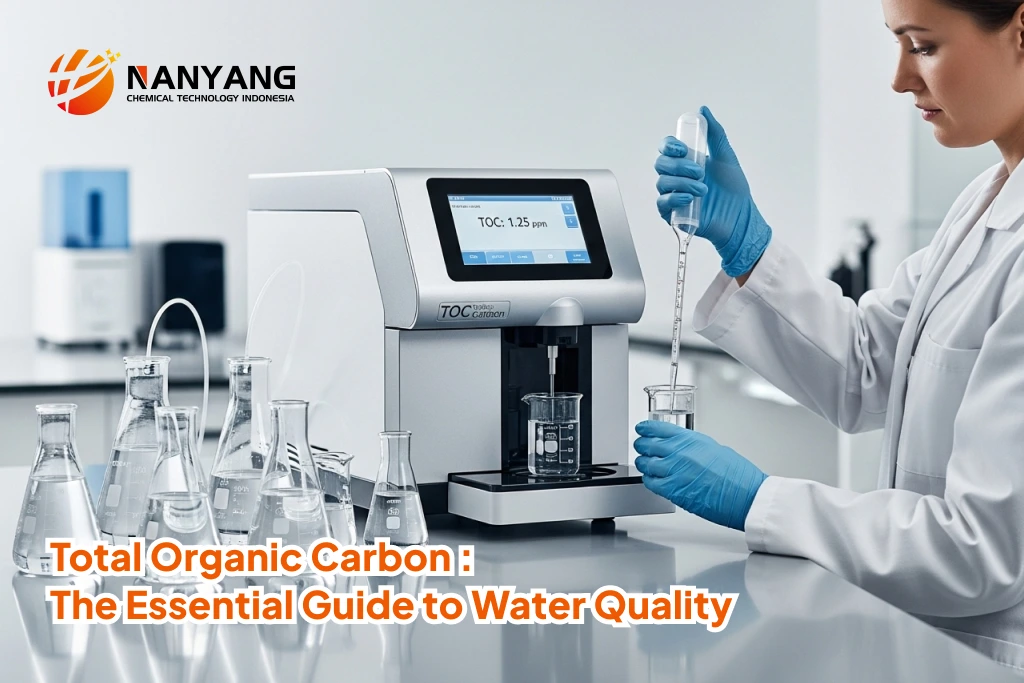
Water, in its purest form, is a simple combination of hydrogen and oxygen molecules. However, in virtually every natural and man-made system, water is a complex solvent carrying a vast array of dissolved and suspended substances. Among the most critical of these is total organic carbon (TOC). At its core, total organic carbon is a measure of the amount of carbon atoms bonded to organic compounds within a sample. While it may sound like a highly technical metric, its presence—or lack thereof—is a fundamental indicator of the overall quality, purity, and safety of water, making it a cornerstone of environmental science, public health, and industrial operations.
The term “organic carbon” itself refers to carbon that is part of organic matter, which can originate from a variety of sources. These sources are broadly categorized into two groups: natural and synthetic. Natural organic carbon comes from decaying plant and animal matter, metabolic waste from living organisms, and humic substances leached from soil and vegetation. These naturally occurring components can be found in everything from pristine mountain streams to large lakes and reservoirs. On the other hand, synthetic sources of total organic carbon include a wide range of human-generated pollutants, such as industrial runoff, agricultural chemicals like pesticides and fertilizers, and byproducts from manufacturing processes. The measurement of total organic carbon is so vital precisely because it provides a single, rapid assessment of the combined load from both these natural and anthropogenic sources.
The significance of monitoring total organic carbon extends far beyond academic curiosity. In the context of drinking water, for instance, high levels of TOC are a major concern. While TOC itself is not a direct health risk, it serves as a precursor for the formation of harmful disinfection byproducts (DBPs). When water treatment plants use disinfectants like chlorine to kill pathogens, these chemicals can react with the organic matter to produce compounds like trihalomethanes (THMs) and haloacetic acids (HAAs). These DBPs have been linked to an increased risk of cancer and other serious health issues, prompting regulatory bodies worldwide to set stringent limits on their concentration. Consequently, reducing total organic carbon in source water is a primary objective for public water utilities, as it is the most effective way to minimize the formation of these dangerous byproducts.
Furthermore, in industrial settings, the analysis of total organic carbon is a critical component of process control and quality assurance. Industries ranging from pharmaceuticals to semiconductor manufacturing rely on ultra-pure water for their processes. Even trace amounts of organic carbon can contaminate products, interfere with chemical reactions, or damage sensitive equipment like boilers and reverse osmosis membranes. Therefore, a consistent and reliable measure of TOC is essential for ensuring product integrity, maximizing operational efficiency, and preventing costly system failures. This article will delve deeper into the science behind TOC, exploring its various forms, the methods used for its measurement, and the indispensable role it plays in protecting both human health and the environment.
Table of Contents
What is Total Organic Carbon (TOC)?
At its most fundamental level, total organic carbon (TOC) is an analytical parameter used to measure the amount of carbon found in organic compounds within a sample. While the concept might seem straightforward, it serves as a powerful and non-specific indicator of water quality and purity across a vast range of applications, from environmental monitoring to pharmaceutical manufacturing. Think of it as a master key that unlocks a wealth of information about the presence of organic contamination, without needing to identify every single compound in the sample. This is particularly useful because water samples often contain a complex, and sometimes unknowable, mixture of thousands of different organic compounds. Instead of performing costly and time-consuming tests for each individual substance, a single TOC measurement provides a rapid, comprehensive snapshot of the overall organic load.
To fully grasp the significance of total organic carbon, it’s crucial to distinguish it from other forms of carbon that can exist in water. The total carbon (TC) in a water sample is composed of two main fractions: inorganic carbon (IC) and organic carbon. Inorganic carbon primarily consists of dissolved carbon dioxide (CO2), carbonic acid (H2CO3), bicarbonate ions (HCO3−), and carbonate ions (CO32−). These species are common in most water sources and are not generally indicative of pollution. Total organic carbon, by contrast, is the carbon component of all the other organic molecules—everything from simple sugars and alcohols to complex humic acids, proteins, and hydrocarbons. Therefore, TOC is typically determined by measuring the total carbon and then subtracting the inorganic carbon (TOC=TC−IC). This fundamental relationship underscores why TOC is such a direct and meaningful measurement of organic contamination.
Sources of Total Organic Carbon
The sources of total organic carbon in water are incredibly diverse, originating from both natural and anthropogenic (human-related) activities.
- Natural Organic Matter (NOM): The most common natural source of TOC is the decomposition of plant and animal matter. When leaves, branches, or aquatic organisms decay, they release complex organic molecules into the water. These substances, collectively known as Natural Organic Matter (NOM), include humic and fulvic acids, which are large, colored molecules that can give water a brownish or yellowish tint. While natural, high concentrations of NOM can pose problems, particularly in drinking water treatment, as they can react with disinfectants to form harmful byproducts.
- Microbial Activity: Microorganisms like bacteria and algae contribute to TOC in two primary ways: they are themselves organic matter, and their metabolic processes and byproducts release other organic compounds into the water. This is a common issue in reservoirs and treatment systems where biological growth can lead to elevated TOC levels.
- Soil Erosion and Runoff: As rainwater runs off land, it carries with it dissolved and particulate organic matter from soil. This can transport significant amounts of TOC into rivers, lakes, and other water bodies, especially in agricultural or forested areas.
In addition to these natural sources, a vast and ever-growing list of synthetic compounds contributes to the total organic carbon load, particularly in urban and industrial areas.
- Industrial Discharge: Industrial processes can release a wide variety of organic pollutants, including solvents, detergents, dyes, and other process chemicals. A common concern is the discharge of wastewater from manufacturing plants, which can introduce complex and difficult-to-remove organic compounds into the environment.
- Agricultural Runoff: Pesticides, herbicides, and fertilizers used in farming are often carbon-based and can find their way into water sources through surface runoff. While many of these are designed to break down, their presence can contribute to elevated TOC.
- Wastewater and Sewage: Untreated or inadequately treated sewage from municipal and residential sources contains a high concentration of organic matter from human waste, food scraps, and household products like soaps and cleaning agents.
- Urban Runoff: Stormwater runoff from cities and towns can carry a surprising amount of total organic carbon. This includes hydrocarbons from vehicle exhaust and oil leaks, debris from roads, and a cocktail of other pollutants that collect on surfaces and are washed into storm drains.
The Problem with Total Organic Carbon
While the presence of TOC isn’t inherently dangerous in itself, its measurement is so critical because it acts as a sentinel for a host of potential problems.
- Disinfection Byproducts (DBPs): This is arguably the most significant reason for TOC monitoring in drinking water. When water treatment plants use disinfectants like chlorine to kill harmful pathogens, the chlorine can react with the organic matter to form a class of compounds known as disinfection byproducts (DBPs). These include trihalomethanes (THMs) and haloacetic acids (HAAs), which have been linked to an increased risk of cancer and other adverse health effects. Regulators worldwide, such as the U.S. Environmental Protection Agency (EPA), have established strict limits on DBPs, making the control of total organic carbon in source water a paramount concern.
- Aesthetic Issues: High concentrations of TOC, particularly from natural sources like humic acids, can impart an unpleasant taste and odor to drinking water and can also cause a yellow or brown discoloration. While not a direct health threat, these aesthetic issues can lead to consumer complaints and a lack of trust in the water supply.
- Support for Microbial Growth: The organic matter measured by TOC can serve as a food source for microorganisms. If not effectively removed during treatment, this can lead to regrowth of bacteria and the formation of biofilms in the distribution system, compromising the quality of the water that reaches the tap.
- Operational Problems: In industrial settings, especially those requiring ultra-pure water (e.g., in pharmaceutical, semiconductor, and power generation industries), even trace amounts of total organic carbon can cause major issues. Organic foulants can clog and damage sensitive equipment like reverse osmosis membranes, ion exchange resins, and boilers, leading to costly repairs, reduced efficiency, and compromised product quality.
In summary, a high TOC value is a clear warning sign. It tells water quality professionals that there is a substantial amount of organic material present, which could either be a direct pollutant or, more often, a precursor to more dangerous compounds and operational challenges. Its simplicity and reliability as a single parameter make total organic carbon an indispensable tool for ensuring the safety and quality of water in virtually every sector.
Why TOC is a Vital Water Quality Indicator?
Total Organic Carbon (TOC) is far more than a simple chemical measurement; it’s a vital, non-specific indicator that acts as a barometer for water quality across countless applications. Its importance stems from its ability to rapidly and accurately signal the presence of organic contaminants, which can pose a wide range of risks to public health, industrial processes, and the environment. By providing a single, comprehensive value for all organic compounds, TOC analysis allows scientists, engineers, and regulators to make informed decisions without the need for time-consuming and expensive tests for individual substances. This section will delve into the critical reasons why TOC is a cornerstone of modern water analysis.
1. Public Health and Disinfection Byproducts (DBPs) 🧪
The most compelling reason for monitoring total organic carbon in drinking water is its direct link to public health and the formation of harmful disinfection byproducts (DBPs). To make water safe for consumption, municipal treatment plants use disinfectants like chlorine or chloramines to inactivate disease-causing pathogens. However, the organic matter measured as TOC, particularly natural organic matter (NOM) like humic and fulvic acids, acts as a precursor. When these organic compounds react with disinfectants, they can form a variety of unintended and potentially hazardous byproducts. The two most prominent classes of these are trihalomethanes (THMs) and haloacetic acids (HAAs).
Numerous epidemiological studies have linked long-term exposure to these DBPs with an increased risk of certain cancers, including bladder, liver, and rectal cancer. Furthermore, some studies have suggested associations with reproductive and developmental issues. While the benefits of disinfection to prevent waterborne diseases like cholera and typhoid are paramount, the goal of modern water treatment is to strike a delicate balance between effective disinfection and minimizing DBP formation. By aggressively removing total organic carbon from source water before the disinfection step, water treatment plants can significantly reduce the potential for these harmful byproducts to form. Therefore, TOC measurement serves as a critical control parameter at every stage of the treatment process—from raw water intake to the final finished product—ensuring that public health is protected from both microbial pathogens and chemical byproducts.
2. Environmental Monitoring and Pollution Assessment 🌱
In environmental science, total organic carbon is an indispensable tool for assessing the health of natural water bodies like rivers, lakes, and streams. Unlike more specific tests that target individual pollutants, TOC provides a holistic measure of the overall organic load, offering a broad indicator of ecosystem health. Elevated levels of TOC in a natural water source can signal several potential issues. For instance, a high TOC reading might indicate agricultural runoff containing pesticides, fertilizers, and animal waste. It could also point to industrial effluent that has not been adequately treated, containing solvents, detergents, or other synthetic organic compounds.
Monitoring TOC levels in water and sediment over time allows environmental agencies to track changes in water quality and pinpoint sources of pollution. A sudden spike in TOC, for example, could be the first sign of an accidental chemical spill or a leak from a wastewater line. For regulators, TOC measurement is often a more cost-effective and rapid alternative to testing for thousands of individual compounds. It is a key parameter in wastewater discharge permits and is used to verify that effluent from treatment plants and industries meets regulatory standards before it is released back into the environment. By keeping a close watch on total organic carbon, environmental managers can proactively protect aquatic life, biodiversity, and ensure the sustainability of water resources.
3. Industrial and Commercial Process Control 🏭
For many industries, water is not just a utility—it’s a critical ingredient or a key part of their process. In these applications, the purity of the water is paramount, and even trace amounts of organic carbon can have catastrophic consequences. This is where total organic carbon analysis becomes absolutely essential.
- Pharmaceuticals and Life Sciences: The pharmaceutical industry relies on ultra-pure water for everything from product formulation to equipment cleaning. Organic contaminants, even at parts-per-billion levels, can interfere with chemical reactions, compromise the stability of active pharmaceutical ingredients (APIs), and foster the growth of microorganisms. The presence of these contaminants would be a direct threat to patient safety and could lead to costly product recalls. Regulatory bodies like the U.S. Pharmacopeia (USP) have established strict TOC limits for purified water and water for injection (WFI), making continuous TOC monitoring a mandatory requirement for quality control and compliance.
- Semiconductor Manufacturing: The fabrication of microchips requires water that is virtually free of any impurities. Total organic carbon can damage delicate circuit patterns during the manufacturing process, leading to defects and reduced product yield. As chip designs become more intricate, the demand for water with extremely low TOC levels (often below 50 parts per billion) has become a non-negotiable standard for quality control.
- Power Generation: In power plants, particularly those with high-pressure boilers, the purity of boiler feed water is critical. Organic carbon can decompose at high temperatures and pressures to form corrosive acids, which can cause scaling and damage to boiler tubes and other equipment. Monitoring and controlling total organic carbon is crucial to prevent corrosion, maintain system efficiency, and extend the lifespan of expensive machinery. It also helps to prevent unplanned shutdowns and the associated economic losses.
4. Aesthetic and Operational Efficiency ⚙️
Beyond health and regulatory compliance, TOC also affects the more practical aspects of water quality. In drinking water, high TOC levels can cause unpleasant tastes and odors and lead to discoloration, which, while not necessarily dangerous, can erode public confidence in the water supply. From an operational standpoint, organic matter can foul and clog treatment equipment, particularly advanced filtration membranes and ion exchange resins. This can reduce the efficiency of the treatment process, increase maintenance costs, and shorten the lifespan of expensive equipment.
By using TOC as a reliable indicator, water managers can optimize their treatment processes, such as the amount of coagulant or adsorbent needed for effective removal. In wastewater treatment, monitoring the TOC content of influent and effluent streams provides a direct measure of the plant’s effectiveness in breaking down and removing organic pollutants, allowing operators to adjust their processes for maximum efficiency and compliance. The ability to measure total organic carbon quickly and accurately makes it a powerful tool for both maintaining a high standard of quality and ensuring operational sustainability.
The Science of TOC Measurement
The analysis of total organic carbon (TOC) is a complex scientific process that relies on the precise conversion of organic compounds into a quantifiable form, followed by a highly sensitive detection step. All modern TOC measurement methods share the same fundamental principle: to oxidize the organic carbon in a sample to carbon dioxide (CO2), and then measure the amount of CO2 produced. The amount of CO2 is directly proportional to the amount of organic carbon originally present. This section explores the core steps and primary techniques used in TOC analysis.
The Three-Part Process: Acidification, Oxidation, and Detection
Regardless of the specific technology employed, TOC measurement typically involves three main stages:
1. Acidification
Before the organic carbon can be measured, the inorganic carbon (IC) must be accounted for or removed. Inorganic carbon primarily exists as dissolved carbon dioxide (CO2), carbonate (CO32−), and bicarbonate (HCO3−) ions. If left in the sample, these inorganic forms would be oxidized to CO2 alongside the organic carbon, leading to an artificially high TOC reading. To prevent this, the sample is first acidified, typically by adding an inorganic acid like hydrochloric acid (HCl). This converts all inorganic carbon species into dissolved CO2. The sample is then “sparged” with a carrier gas, such as high-purity nitrogen or oxygen, which purges the volatile CO2 from the liquid. Once this step is complete, the remaining carbon in the sample is considered “non-purgeable organic carbon” (NPOC), which for most applications is an accurate representation of the total organic carbon.
2. Oxidation
This is the central step of the process, where all the organic compounds in the sample are broken down and converted into carbon dioxide. The choice of oxidation method depends heavily on the nature of the sample, including its expected TOC concentration, the complexity of the organic compounds, and whether particulate matter is present. The two most common methods are high-temperature combustion and wet chemical oxidation.
- High-Temperature Catalytic Oxidation (HTCO): This is often considered the most robust and universal method for TOC analysis. The acidified, sparged sample is injected into a high-temperature furnace, typically heated to between 680°C and 1000°C, in an oxygen-rich environment. The furnace contains a catalyst, most often platinum, which facilitates the rapid and complete oxidation of all organic compounds to CO2. The high temperature ensures that even the most stubborn, difficult-to-oxidize compounds—such as complex humic acids, long-chain hydrocarbons, and particulate matter—are fully combusted. This method is particularly well-suited for samples with a high TOC concentration or those containing a complex matrix, such as industrial wastewater, surface water, or sludge. Its primary drawback is that the high temperature can lead to a higher instrument background, making it less ideal for analyzing ultra-pure water with very low TOC levels.
- UV-Persulfate Oxidation: This wet chemical method is widely used for samples with low TOC concentrations, such as purified water, drinking water, and pharmaceutical-grade water. In this technique, a chemical oxidant, typically sodium persulfate (Na2S2O8), is added to the acidified sample. The sample is then exposed to high-intensity ultraviolet (UV) light. The UV radiation energizes the persulfate, causing it to break down into highly reactive free radicals (SO4−). These free radicals are powerful oxidizing agents that efficiently convert the organic compounds to CO2 at or near ambient temperatures. This method is highly effective for readily oxidizable organic compounds and is known for its excellent precision and low instrument background, which is crucial for measuring TOC in the parts-per-billion (ppb) or parts-per-trillion (ppt) range. Some variations of this method also use heat in conjunction with the UV light to enhance the oxidation power.
3. Detection and Quantification
After the oxidation step, the resulting CO2 is transported by the carrier gas to a detector for measurement. The most common and accurate detection method is Non-Dispersive Infrared (NDIR) detection.
- Non-Dispersive Infrared (NDIR) Detection: NDIR detectors are highly specific and sensitive to carbon dioxide. The principle is based on the fact that CO2 molecules absorb infrared (IR) light at a very specific wavelength (around 4.26 µm). The detector works by passing a beam of IR light through a sample cell containing the CO2 gas. A detector on the other side of the cell measures the amount of light that passes through. The amount of IR light absorbed is directly proportional to the concentration of CO2 in the cell, and by extension, the original total organic carbon content of the sample. This method is robust, provides a wide dynamic range, and is largely unaffected by other gases or humidity, making it the industry standard.
Types of Analyzers and Their Applications
The two main oxidation methods have led to the development of distinct types of TOC analyzers, each optimized for specific applications:
- High-Temperature Combustion Analyzers: These instruments are the workhorses for analyzing a wide range of samples, including wastewater, soil extracts, and industrial process streams. They are known for their ability to handle samples with high TOC levels and particulate matter, and for their complete oxidation of all organic compounds.
- Wet Chemical (UV/Persulfate) Analyzers: These analyzers are the go-to choice for applications requiring high sensitivity and precision, particularly for ultra-pure water. They are widely used in the pharmaceutical, semiconductor, and power generation industries where TOC is measured at extremely low concentrations to ensure product integrity and equipment protection.
The TOC Equation
It’s important to note the two main ways that a TOC analyzer can mathematically determine the final TOC value:
- TC-IC Method (Difference Method): The analyzer first measures the total carbon (TC) in the sample by oxidizing both organic and inorganic carbon together. It then separately measures the inorganic carbon (IC) by acidifying and sparging a different portion of the sample. The total organic carbon is then calculated by subtracting the inorganic carbon from the total carbon (TOC=TC−IC). This method is simple but can be less accurate when the TOC level is very low compared to the IC level, as a small error in the TC or IC measurement can lead to a large error in the final TOC value.
- NPOC Method (Non-Purgeable Organic Carbon): This is the more common method for analyzing water. The sample is first acidified and sparged to remove the inorganic carbon (IC), as described above. The remaining non-purgeable organic carbon (NPOC) is then oxidized and measured directly. This direct measurement is often more reliable, especially for samples with low TOC and high IC, as it avoids the subtraction of two large numbers.
The science of TOC measurement is a sophisticated blend of chemistry, physics, and engineering. By mastering the principles of acidification, oxidation, and detection, and by choosing the right analytical method for the application, laboratories and industries can obtain accurate and reliable data that is essential for maintaining water quality and ensuring safety across a wide range of fields.
Partnering for Purity : The Nanyang Chemical Solution
In today’s complex world of water management, simply measuring total organic carbon (TOC) is only the first step. The real challenge lies in effectively managing and reducing it to meet stringent regulatory standards, protect critical equipment, and ensure the safety of end-users. The pervasive nature of TOC—from natural organic matter in source water to synthetic pollutants in industrial discharge—demands a sophisticated, comprehensive, and proactive approach. This is where Nanyang Chemical steps in, moving beyond the role of a mere supplier to become a strategic partner in achieving water purity. We understand that every client’s needs are unique, and a one-size-fits-all solution is never the right answer when tackling the complexities of total organic carbon.
A Partnership Built on Expertise and Innovation
At Nanyang Chemical, our philosophy is rooted in a deep understanding of the challenges our clients face. We recognize that managing total organic carbon requires more than just a single product; it demands a holistic and integrated strategy. Our team of experts provides a partnership approach that spans the entire water treatment lifecycle, from initial consultation and analysis to long-term optimization and support.
Our process begins with a thorough diagnostic assessment. We work closely with our clients to analyze their specific water matrix, identify the primary sources of organic carbon, and understand their unique operational goals and regulatory pressures. This in-depth analysis allows us to move past generic recommendations and develop a truly customized plan. Whether the challenge is reducing natural organic matter in a municipal water supply, ensuring ultra-low TOC levels for a pharmaceutical process, or mitigating the impact of industrial discharge, our expertise ensures that the solution is precisely tailored to the problem at hand.
Tailored Solutions for a Diverse Range of Industries
Nanyang Chemical’s strength lies in our ability to provide targeted solutions across a wide spectrum of industries, each with its own specific requirements for total organic carbon control.
- For Municipal Water Treatment: The primary objective is to protect public health by minimizing the formation of disinfection byproducts (DBPs). Our solutions focus on enhancing the effectiveness of pre-treatment processes. For example, we specialize in providing advanced chemical coagulants and flocculants that are highly efficient at removing precursor organic matter before disinfection even begins. We also offer expertise in advanced oxidation processes (AOPs), which use powerful oxidants like ozone and UV light to break down resilient organic compounds that conventional methods might miss. By helping municipalities optimize these processes, we enable them to achieve high-quality, safe drinking water that consistently meets or exceeds regulatory standards.
- For Pharmaceuticals and High-Purity Water Applications: The standard for total organic carbon is measured in parts-per-billion (ppb) or even parts-per-trillion (ppt). Any organic contamination can compromise product efficacy and safety. Nanyang Chemical’s solutions for this sector are designed for absolute precision. We offer high-performance purification media and reagents that are optimized for ultra-low TOC removal, ensuring compliance with strict pharmacopeia guidelines. Our team understands the critical validation processes required in this industry and provides the technical support needed to prove that our solutions reliably deliver the required level of purity.
- For Industrial and Power Generation Systems: In these environments, total organic carbon is a direct threat to operational efficiency and equipment integrity. Organic fouling can reduce the efficiency of reverse osmosis membranes, leading to increased energy consumption and costly replacements. In boilers, TOC can break down into corrosive acids that cause pitting and scale formation, leading to expensive downtime and safety risks. Nanyang Chemical provides specialized water treatment solutions that effectively remove these organics, protecting valuable assets, improving system longevity, and ensuring uninterrupted operations. Our approach focuses on both preventative and corrective measures to maintain system performance and reliability.
The Nanyang Chemical Advantage: A Commitment to Excellence
What truly sets Nanyang Chemical apart is our unwavering commitment to our clients’ success. We don’t just sell products; we provide a complete solution package that includes:
- Leading-Edge Technology: We continuously invest in research and development to stay ahead of the curve in water treatment science. This allows us to offer the latest and most effective methods for tackling complex organic contamination.
- Operational Optimization: Our technical experts work alongside your team to ensure that our solutions are seamlessly integrated into your existing processes. We provide training and ongoing support to help you achieve maximum efficiency and performance.
- A Dedication to Sustainability: We believe that effective TOC management should also be environmentally responsible. Our solutions are designed to minimize chemical usage, reduce waste, and lower the overall environmental footprint of your operations.
In conclusion, the challenge of managing total organic carbon is a shared one. It requires a partner with the knowledge, experience, and resources to develop a customized strategy that addresses all facets of the problem. Nanyang Chemical is that partner. We provide the expertise and innovative solutions that not only help you meet your current goals but also prepare you for the challenges of tomorrow, ensuring a future of sustained purity and operational excellence. Partnering with Nanyang Chemical means choosing a path of precision, reliability, and unparalleled commitment to water quality.
Conclusion
The journey to ensuring water purity is fundamentally a battle against contamination, with total organic carbon (TOC) serving as a critical and universal indicator of water quality. As we have explored throughout this document, TOC is more than just a chemical parameter; it is a multifaceted challenge that impacts everything from public health and environmental integrity to industrial efficiency and product safety. The presence of TOC, whether from natural or synthetic sources, signals potential for operational issues like membrane fouling and corrosion, or the formation of hazardous disinfection byproducts.
The scientific and technological advancements in TOC measurement have provided us with powerful tools to accurately quantify this parameter, from the robust high-temperature combustion methods suitable for complex wastewater to the highly sensitive UV-persulfate techniques used for ultra-pure water. However, accurate measurement is merely the starting point. The real solution lies in strategic, well-engineered treatment processes that effectively remove or mitigate organic content. This is where the synergy between scientific understanding and practical application becomes paramount. By partnering with experts who can provide tailored solutions, from advanced coagulation to state-of-the-art purification media, we can move beyond simply monitoring the problem to actively solving it. The control of total organic carbon is a continuous process that demands vigilance, innovation, and a collaborative approach to ensure the highest standards of purity and safety for all applications.