
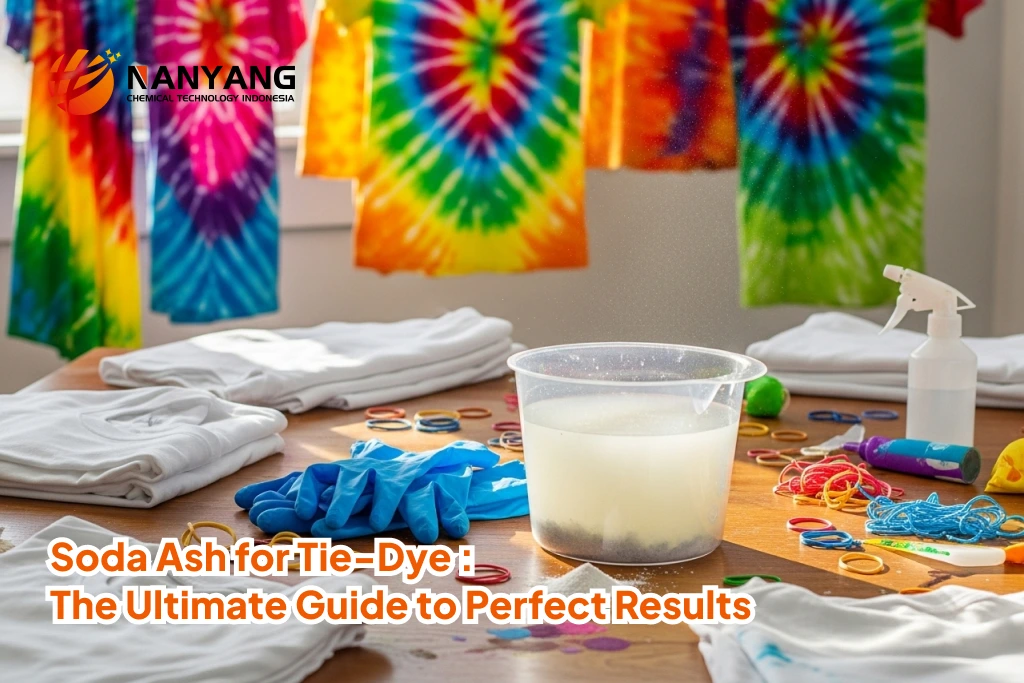
The world of tie-dye is a vibrant and exciting place, a playground of color and creativity where every twist, fold, and splash results in a unique wearable work of art. You’ve likely envisioned your next masterpiece: a swirling nebula of blues and purples on a crisp white t-shirt, a classic bullseye in fiery reds and oranges, or a crinkled design in a cheerful rainbow gradient. You’ve gathered all the supplies—the blank garments, the vibrant fiber-reactive dyes, the rubber bands, and maybe even a few squirt bottles. But if you’re a serious crafter or simply want your designs to truly stand out, there is one essential, often-overlooked secret ingredient that separates a faded hobby project from a professional-grade creation. That secret is a simple yet powerful compound: soda ash for tie dye.
Without the right chemical preparation, your beautiful colors, no matter how bright they appear in the bottle, can often look a bit muted and, worse yet, wash out with the first or second laundry cycle. This is a common frustration for many enthusiasts. You put in all the effort—the folding, the dyeing, the waiting—only to see your vibrant art fade into a pastel ghost of its former self. This is where the magic of soda ash for tie dye comes into play. It’s not just a nice-to-have; it’s a fundamental requirement for creating permanent, brilliant colors that resist fading. This simple alkali, also known as sodium carbonate, acts as a dye activator, dramatically improving the color absorption and ensuring the dye forms a permanent, molecular bond with the fabric fibers.
Think of it this way: your cotton t-shirt fibers are like tiny doors, and the dye molecules are trying to get inside to stay forever. Without soda ash for tie dye, those doors are mostly shut, allowing only a weak, temporary connection. But by pre-treating your fabric with a soda ash solution, you are essentially opening every single door, allowing the dye to lock in for good. This is the difference between colors that merely sit on the surface and colors that become an intrinsic part of the fabric itself. It’s the critical step that transforms your tie-dye from a temporary piece of fun into a lasting work of art.
So, as you prepare to embark on your next colorful adventure, remember this: the true key to unlocking a world of breathtakingly vibrant, long-lasting tie-dye is to start with a proper foundation. Let’s delve into exactly what soda ash is, why it’s so indispensable, and how to use it to ensure your creative vision is brought to life in the most brilliant way possible. Your tie-dye adventure is about to get a whole lot brighter, all thanks to this one essential ingredient.
Table of Contents
What is Soda Ash and Why It’s Essential for Tie-Dye
To understand why soda ash for tie dye is not just an optional step but a non-negotiable part of the process, we need to look beyond the bucket and into the fascinating world of chemistry. At its core, soda ash is a simple alkali compound with the chemical formula Na2CO3, also widely known as sodium carbonate or washing soda. While its name might sound technical, its function in the world of fiber arts is brilliantly straightforward and incredibly effective. It is the key that unlocks the full potential of fiber-reactive dyes, transforming them from a mere pigment on a piece of cloth into a permanent, vibrant part of the fabric itself.
The magic of soda ash for tie dye lies in its ability to dramatically raise the pH level of the cotton, linen, rayon, or other cellulose-based fabric. Natural fibers like cotton are made of molecules called cellulose, which contain hydroxyl groups (-OH). Fiber-reactive dyes, such as the popular Procion MX dyes, are specifically engineered to bond with these hydroxyl groups. However, this chemical reaction, known as nucleophilic substitution, requires a specific, highly alkaline environment to take place. This is where soda ash steps in.
When you pre-soak your garment in a solution of soda ash for tie dye, you are creating the perfect pH environment for this reaction to occur. The soda ash elevates the pH of the fabric to around 10.5, a highly alkaline state. This alkalinity is what activates the fiber-reactive dye, making it “ready” to bond. Without this alkaline environment, the dye molecules simply sit on the surface of the fabric. Some might get trapped in the fibers, giving the illusion of color, but they never form that permanent, covalent bond. As soon as the garment is washed, these unbonded dye molecules rinse away, taking the vibrancy with them and leaving behind a faded, disappointing result.
The science is a beautiful dance. The dye molecule has a “reactive group” that is highly sensitive to pH. When it encounters the high pH created by the soda ash, it becomes active and ready to react. This activated dye molecule then seeks out and bonds directly with the cellulose molecules of the fabric. This isn’t a weak attraction or a simple trapping of dye; it is a true, permanent chemical bond—a covalent bond—which is one of the strongest types of chemical bonds. It’s the same kind of bond that holds water molecules together. Once formed, this bond is impervious to water and detergent, meaning the color will not wash out. This is the fundamental reason why soda ash for tie dye is so indispensable.
Contrast this with what happens when you use an “all-purpose” dye. These dyes are designed to work differently; they don’t form a covalent bond. Instead, they rely on a weaker type of interaction, like hydrogen bonds or van der Waals forces, to cling to the fabric. While they may produce a color initially, these weak bonds are easily broken by water and detergent, which is why all-purpose dyes are notorious for fading quickly. This is also why using soda ash for tie dye with an all-purpose dye is ineffective—the chemistry simply isn’t a match.
It’s also important to note the difference between soda ash for tie dye and baking soda (sodium bicarbonate, NaHCO3). While both are alkaline, baking soda is significantly weaker and cannot create the necessary pH level to activate the dye for a permanent bond. While some crafters have tried to use it as a substitute, the results are always inferior, leading to a noticeable loss of color vibrancy and wash fastness. The full chemical reaction required for a professional, durable result simply will not occur. This distinction is critical for anyone serious about their craft.
The practical benefits of using soda ash are immediately visible. The colors of your final project will be exponentially brighter, bolder, and more saturated. The intricate patterns you so carefully folded and dyed will hold their crisp lines and vibrant hues. You will gain peace of mind knowing that your hard work won’t be undone in the laundry. For tie-dye artists of all levels, from beginners to professionals, the process of using soda ash for tie dye is the foundational step that ensures their creations are not just a temporary splash of color, but a lasting piece of art. It’s the difference between a fleeting hobby and a true craft. By understanding this fundamental chemical principle, you can elevate your work and achieve results that are not only beautiful but also durable and professional.
How to Use Soda Ash for Perfect Tie-Dye Every Time
Now that you understand the science behind it, the next logical step is to learn the practical application of soda ash for tie dye. While the process may seem intimidating at first, it’s actually quite simple and is the single most effective way to guarantee vibrant, professional-quality results. The most common and highly recommended method is the pre-soak, which ensures that every fiber of your fabric is perfectly primed to accept and bond with the dye. However, it’s worth exploring the other methods as well to determine which is best for your specific project.
Method 1: The Pre-Soak Method (Recommended for Best Results)
This is the gold standard for tie-dye enthusiasts and professionals alike. The pre-soak method involves preparing a solution of soda ash and water and fully saturating your fabric before you even begin folding or applying dye. This ensures that the pH is perfectly elevated across the entire garment, leading to even, vibrant colors from edge to edge.
Step-by-Step Instructions for the Pre-Soak Method:
- Prepare Your Workspace and Gather Materials: Choose a well-ventilated area, preferably outdoors or in a garage, to work. You’ll need a large bucket or a basin that can comfortably hold your garments, a measuring cup, a stirring utensil, warm water, and your soda ash for tie dye. Most importantly, put on your safety gear: a dust mask to avoid inhaling the fine powder and gloves to protect your skin from irritation. While soda ash is not highly toxic, it is an irritant, and protecting your hands and lungs is a crucial first step.
- Mix the Solution: The standard and most effective ratio is 1 cup of soda ash for tie dye per gallon of warm water. The warm water helps the powder dissolve more quickly and completely. Add the powder to the water and stir until it’s fully dissolved. It’s critical to ensure there are no clumps or undissolved granules at the bottom of the bucket, as this can lead to uneven results. For larger batches, you can scale this ratio up, for example, 2 cups for 2 gallons.
- Soak the Fabric: Submerge your pre-washed garment(s) completely in the soda ash solution. Make sure every part of the fabric is saturated. Gently push down on the garment to release any trapped air bubbles and ensure it is fully soaked. Allow the fabric to soak for a minimum of 15-20 minutes. This soak time is essential as it allows the alkaline solution to penetrate every fiber, from the surface to the core of the fabric.
- Wring Out the Excess: After the soak time is complete, remove the garment from the solution while wearing your gloves. Wring out the excess liquid until the fabric is damp, but not dripping wet. You can use your hands, a wringer, or even a spin dryer for this step. The goal is to remove as much liquid as possible without rinsing the soda ash from the fabric. The remaining dampness is ideal for allowing the liquid dye to spread and create those beautiful, blurred patterns. You can reuse the leftover solution for future projects until it’s all gone.
- Fold and Dye: Once your fabric is pre-treated and damp, you are ready to begin the creative part! Fold or tie your garment into your desired pattern. Because the soda ash is already in the fabric, you can now apply your dye with confidence, knowing the chemical reaction will begin the moment the dye touches the fabric. The colors will immediately start to look vibrant and saturated.
Method 2: Adding Soda Ash to the Dye Bottles
This is an alternative method, often found in one-step tie-dye kits, where the soda ash for tie dye is pre-mixed with the dye powder. While convenient, this method has a significant drawback: the dye begins to activate as soon as water is added. This gives the dye a very short shelf life—sometimes only a few hours—before it loses its potency. It can be useful for small, quick projects where all the dye will be used immediately.
- How to do it: For this method, you would mix a small amount of soda ash (typically about 1/2 to 1 teaspoon) directly into your dye bottle with the dye powder and warm water. You must use this dye solution almost immediately after mixing for the best results.
Method 3: Post-Dye Activation
This technique is less common but can be used for specific artistic effects, such as ice dyeing or painting. In this method, the dye is applied to dry fabric, and then the soda ash for tie dye solution is poured or sprinkled on top afterward. This allows the dye to migrate and blend on the fabric before it is “fixed” by the soda ash.
- How to do it: Tie up a dry garment and apply the dye. Then, using a squirt bottle or a spoon, gently apply a pre-mixed soda ash solution over the dyed areas. For ice dyeing, you would tie the fabric, place ice on top, sprinkle dye powder and then sprinkle powdered soda ash on top of the ice. As the ice melts, the dye and soda ash will drip onto the fabric, activating as they go.
Important Safety Reminder
Regardless of the method you choose, a final word on safety is essential. Soda ash for tie dye is an irritant. Always work in a well-ventilated area to avoid inhaling the dust, which can irritate your respiratory system. Wear gloves throughout the process, especially when handling the pre-soaked fabric, to protect your skin. After the dyeing and curing process is complete, follow proper rinsing and washing procedures to remove all excess, unfixed dye and soda ash from the garment before wearing it. With the right precautions and techniques, you are now equipped to create stunning, long-lasting tie-dye art every single time.
Nanyang Chemical : Your Trusted Source for Premium Soda Ash
In the world of tie-dye, where color vibrancy and longevity are the ultimate measures of success, the quality of your materials is paramount. While the technique and your artistic vision are crucial, they are only as effective as the ingredients you use. This is where Nanyang Chemical distinguishes itself as a premier supplier. For both passionate hobbyists and commercial artists seeking consistently brilliant results, a reliable source of high-purity soda ash for tie dye is a game-changer.
Nanyang Chemical is a trading company specializing in high-quality chemical reagents and industrial chemicals. Their expertise and focus on sourcing and distributing superior products mean they are not just another supplier; they are a partner in your craft. When you choose their soda ash, you are not just getting a bag of sodium carbonate; you are getting a product that is specifically a “light” grade of soda ash. This is a critical distinction that directly impacts your tie-dye experience. Light soda ash is a fine, less dense powder that dissolves quickly and easily in water, creating a more uniform solution for your pre-soak. This rapid and complete dissolution is essential for ensuring that every fiber of your garment is evenly treated, which in turn leads to uniform color saturation and prevents the splotchy or uneven results that can occur with a lower-quality, dense soda ash that may not dissolve completely.
Furthermore, Nanyang Chemical’s reputation for providing high-purity products directly translates to consistent and predictable results. In the world of chemical reactions, impurities can disrupt the delicate balance required for a permanent chemical bond. The high-purity soda ash for tie dye from Nanyang Chemical minimizes the risk of such issues, allowing the dye-fixing reaction to occur as it should—fully and effectively. This dedication to quality ensures that the colors you meticulously choose and apply will be as vibrant and durable as possible, standing the test of time and repeated washes.
The benefits of partnering with a trusted chemical supplier like Nanyang Chemical extend beyond product purity. The company is built on a foundation of commercial excellence and value-added services, offering a streamlined and efficient process from sourcing to delivery. This means you can count on their products to be available when you need them, without the logistical headaches that can come from unreliable sources. Whether you’re a small-scale crafter or a larger business, having a dependable supply chain for a critical ingredient like soda ash for tie dye is essential for maintaining a smooth creative or production schedule.
Nanyang Chemical’s commitment to quality and service is a direct reflection of their core values. They are not just focused on selling chemicals; they are dedicated to building a partnership with their customers. Their team of motivated, dynamic, and experienced professionals makes fast and clear decisions based on their broad knowledge of the market. This expertise is particularly valuable for customers who might have questions about specific product applications or need guidance on the best way to use soda ash for tie dye. They provide a level of support and technical expertise that goes above and beyond a typical e-commerce transaction, ensuring you have the information you need to succeed.
For anyone who has ever been frustrated by inconsistent results or faded colors, the choice of supplier is clear. Nanyang Chemical’s focus on providing a premium product, combined with their expertise and commitment to customer service, makes them an ideal partner for your tie-dye journey. By starting with their high-quality soda ash for tie dye, you are setting yourself up for success and ensuring that your artistic creations are not just beautiful, but also lasting. Don’t compromise on the single most important ingredient for vibrant, fade-resistant color. Elevate your craft and trust in the quality and reliability that Nanyang Chemical delivers. They are your reliable source, committed to helping you achieve the most brilliant results possible.
Conclusion
The art of tie-dye is a rewarding journey, a perfect blend of chaos and control that results in a unique and personal masterpiece every time. We’ve explored the fundamental science and practical application of the most crucial ingredient in this process: soda ash for tie dye. It’s the invisible force that transforms a temporary splash of color into a permanent, stunning work of art. By understanding its role as a dye activator and mastering the simple pre-soak technique, you can leave behind the frustrations of faded, dull colors and embrace a new level of vibrancy and durability.
The difference between an amateur result and a professional one is often not the complexity of the design, but the quality of the preparation. Using high-quality soda ash for tie dye ensures that your colors are not only bright right out of the bucket but that they also stay that way, wash after wash. It’s the peace of mind that comes from knowing your hard work is built on a solid, scientific foundation.
By integrating this essential step into your process, you are not just dyeing a shirt; you are engaging in a craft with an understanding of what makes it truly successful. So, go ahead and create with confidence. With the right technique and the right materials, you are now equipped to tie-dye like a pro, turning simple garments into vibrant, long-lasting expressions of your creativity.