
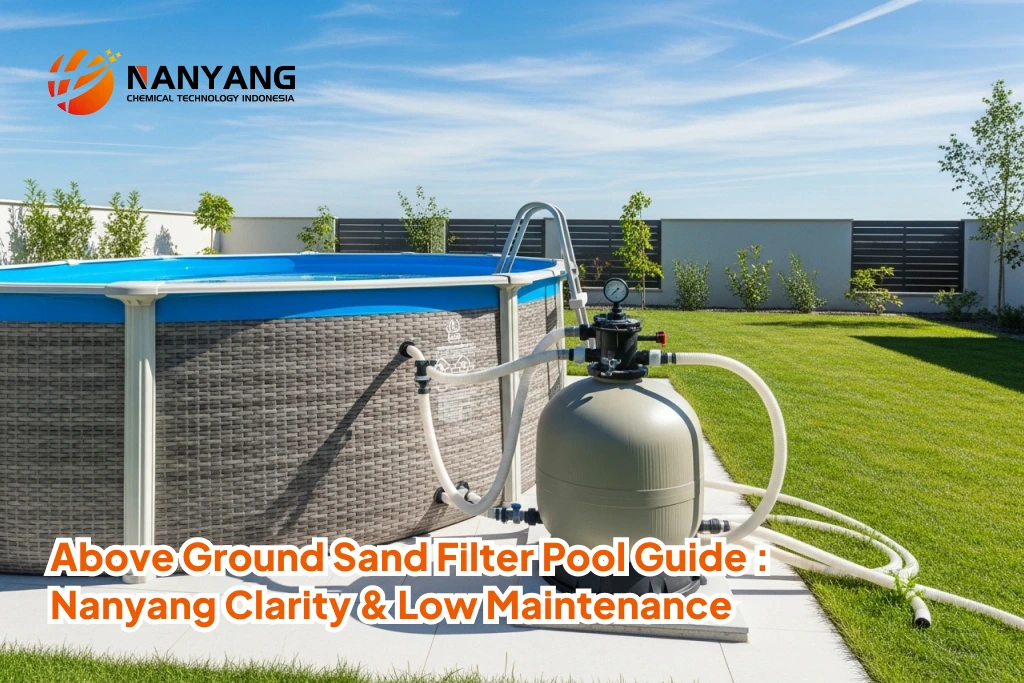
Is there anything more disappointing than stepping out to your backyard, ready for a refreshing dip in your above ground pool, only to find the water is cloudy, murky, or just plain unwelcoming? If you’ve been fighting a constant battle with algae, fine debris, and inefficient filtration, it’s time to move beyond the frustration. For pool owners seeking the absolute clearest water, lowest maintenance, and most reliable performance, the solution is singular: the above ground sand filter pool system.
This powerhouse of pool cleaning is widely considered the gold standard in water purification for a simple, yet profound, reason. Unlike traditional cartridge filters that require frequent, messy rinsing and replacement, a sand filter system uses a deep bed of specialized filter media—typically high-grade silica sand—to trap dirt, debris, and microscopic impurities. The concept is elegantly simple: pool water is pumped into the top of the filter tank, forced down through the sand bed, and as it percolates, the sand catches all the unwanted particles. The clean water then returns to your pool, sparkling and inviting.
But why, specifically, is the above ground sand filter pool such an essential upgrade? It boils down to three core advantages: longevity, cost-effectiveness, and ease of use. A quality sand filter system, when properly maintained, can run reliably for years with minimal intervention. The sand itself only needs to be replaced every 5 to 10 years, dramatically reducing the recurring costs associated with constantly buying new cartridges. Moreover, maintenance is handled with a simple process called “backwashing,” which uses the filter’s own pump to reverse the water flow and flush the trapped dirt and debris right out of the system, often in under five minutes. It’s a clean, efficient, and cost-effective method that frees you from laborious cleaning rituals.
Choosing a sand filter is the first and most critical step towards achieving pristine water, but the true secret to unlocking its full potential lies in the quality of the media you put inside. A filter is only as good as the sand it uses. If the grains are inconsistent, too fine, or dirty, the filtration will be subpar, leading to cloudy water and frequent backwashing. That is why we stress the importance of premium filtration media. Investing in a high-grade product ensures that your filter works at peak efficiency from day one and continues to deliver crystal-clear results for years.
Throughout this guide, we will walk you through everything you need to know, from sizing your system and installation, to mastering the maintenance routine. Most importantly, we will highlight how the superior quality and consistent sizing of Nanyang Filter Sand from Nanyang Chemical can transform a good above ground sand filter pool into an exceptional one. Prepare to dive into a season of effortless clarity; the future of your pool maintenance starts now.
Table of Contents
The Unbeatable Edge of the Above Ground Sand Filter Pool System
When pool owners choose a filtration system for their above ground pool, they are making a commitment to either effortless clarity or recurring chores. While cartridge filters may seem simpler at first glance, the overwhelming consensus among long-term pool veterans is that the above ground sand filter pool system delivers an unbeatable combination of reliability, cost-effectiveness, and superior long-term performance. It is the workhorse of pool filtration, engineered to stand up to the rigors of an entire swim season with minimal fuss.
1. The Low-Maintenance Champion: Backwashing vs. Manual Cleaning
The single greatest advantage of the sand filter is its remarkably simple maintenance procedure: backwashing.
- Effortless Cleaning: When your sand filter’s pressure gauge rises (typically 8–10 PSI above its clean starting pressure), it signals that the trapped dirt has restricted the water flow. To clean it, you simply turn the multiport valve to the “Backwash” setting. The system automatically reverses the water flow, flushing all the accumulated dirt, debris, and contaminants out through a waste line. This process takes mere minutes—often less than five.
- The Cartridge Chore: Contrast this with a cartridge filter. When a cartridge filter gets dirty, you must manually shut down the system, open the filter housing, remove the heavy, often slimy cartridge, and spend 15–30 minutes meticulously hosing down the pleats. This messy, time-consuming chore must be repeated every few weeks, and no amount of hosing can ever return the cartridge to 100% efficiency. With a sand filter, the cleaning is handled by the water pressure itself.
- Nanyang’s Advantage in Backwash: The efficiency of backwashing is directly tied to the filter media quality. Nanyang Filter Sand excels here because its uniform grain size and composition prevent the common problems of channeling or clumping that plague lower-grade sand. This means a more complete and efficient backwash, fully resetting the filter bed to peak performance every single time, saving you water, time, and energy.
2. Unmatched Longevity and True Cost Savings
While the initial purchase price of an above ground sand filter pool system might be slightly higher than a basic cartridge system, the long-term cost analysis reveals the sand filter as the clear economic winner.
- Extended Media Lifespan: The sand itself acts as a permanent media, only degrading microscopically over time. High-quality filter sand has an expected lifespan of 5 to 10 years before it requires replacement.
- Cartridge Replacement is Recurring: Cartridge filters, by contrast, are a recurring expense. The fabric cartridges need to be chemically soaked periodically and must be entirely replaced every 1 to 3 years, depending on pool usage and maintenance diligence. Over a 10-year span, the cost of repeatedly purchasing expensive replacement cartridges far outweighs the one-time cost of filter sand.
- The Durability of the Tank: Sand filter tanks are robustly designed to withstand the high pressures of backwashing, giving the unit itself an impressively long service life, often exceeding a decade with proper care. This makes the above ground sand filter pool a true one-time investment in reliable hardware.
3. Superior Filtration Power, Adaptability, and Flexibility
Sand filters, especially modern units paired with high-quality media, offer a practical and flexible level of filtration that is perfectly suited for the demands of an outdoor above ground pool.
- Excellent Particle Capture: Standard filter sand typically traps particles in the 20–40 micron range. While cartridge filters can theoretically filter finer (down to 10–15 microns), sand filters capture debris in a deep, porous bed, meaning they have a higher dirt-holding capacity and are less likely to experience rapid pressure spikes when dealing with heavy debris like leaves, pollen, or fine dirt—the exact conditions common to above-ground pools.
- Handling Heavy Debris: When an above ground sand filter pool is subjected to a heavy load (after a storm, large pool party, or significant algae bloom), the system handles it with ease. A cartridge filter would quickly clog, requiring immediate, difficult manual cleaning. A sand filter simply requires a quick backwash.
- The Secret Weapon: Water Clarifiers: Sand filters are fully compatible with and benefit significantly from the use of water clarifiers (flocculants). These chemicals gather microscopic particles into larger clumps that the sand can easily capture. This synergy allows the sand filter to achieve water clarity that rivals or even exceeds other filter types, giving you the best of both worlds—superior clarity with minimal work.
4. Nanyang Chemical: The Foundation of Flawless Filtration
The performance of any sand filter is intrinsically linked to the quality of the sand media inside. This is where Nanyang Chemical elevates the performance of your above ground sand filter pool.
- Optimized Granular Structure: Nanyang Filter Sand is meticulously processed to ensure a perfectly consistent grain size and angular structure (Grade 20 silica sand). This consistency prevents clumping and allows the entire sand bed to work uniformly, ensuring that water flows smoothly and all particles are trapped efficiently.
- High Purity for Clean Water: With a high silica content and minimal impurities, Nanyang Filter Sand ensures that no unwanted contaminants leech into your pool water. It is a pure filtration media, offering a clean, inert surface for debris capture.
- Maximized Filter Runs: Because of its superior quality, Nanyang Filter Sand maintains its integrity and filtration efficiency longer. This translates directly into longer filter cycles before backwashing is required, minimizing the hassle of maintenance and maximizing your time enjoying the pool.
In conclusion, the above ground sand filter pool system is not just a choice—it’s an investment in convenience, durability, and sparkling water. By choosing this system and pairing it with the high-performance consistency of Nanyang Filter Sand, you are guaranteeing a season of low-effort, high-reward pool enjoyment.
Sizing and Selecting the Perfect Above Ground Sand Filter Pool
Selecting the correct above ground sand filter pool system is the single most important decision you will make in setting up your filtration, determining everything from energy efficiency to water clarity. This process is not about finding the biggest or most expensive unit, but rather finding the one that is perfectly matched to your pool’s size and circulation needs. A mismatched system—one too small or unnecessarily large—will lead to cloudy water, wasted energy, and premature wear on your equipment.
1. Sizing Matters: Matching Filter Capacity to Pool Volume
The foundation of a successful above ground sand filter pool setup is proper sizing, which is based on two crucial metrics: your pool’s water volume and the required turnover rate.
A. Determine Your Pool’s Volume (Gallons)
Before anything else, you must accurately calculate how many gallons of water your pool holds.
- Round Pools: Calculate using the formula: Volume=π×Radius2×Average Depth×7.48 (where 7.48 is the conversion factor from cubic feet to gallons).
- Oval Pools: Calculate using the formula: Volume=Length×Width×Average Depth×5.9 (where 5.9 is an approximate conversion factor for oval pools).
- Example: A 24-foot round pool with an average depth of 4 feet holds approximately 14,000 gallons.
B. Understanding the Turnover Rate
A healthy pool should “turn over” its entire volume of water—meaning it passes through the filter—at least once every 8 to 10 hours. This is the recommended industry standard for maintaining sanitation and clarity. To achieve this, you need to calculate the minimum flow rate required for your system, measured in Gallons Per Minute (GPM).
Minimum GPM=480 minutes (8 hours)Pool Volume (Gallons)
For our 14,000 gallon example pool: 48014,000≈29.17 GPM. This means you need a filter and pump combination capable of processing at least 30 GPM.
C. Matching the Pump and Filter
It is critical that the pump and filter are compatible.
- Pump Flow Rate (GPM): The pump must be able to deliver the required GPM flow to turn over the water in 8 hours.
- Filter Flow Rate (Max GPM): The filter tank itself has a maximum GPM rating. The pump’s flow rate must never exceed the filter’s maximum rated flow rate. If the pump pushes water through the sand too quickly, it reduces filtration efficiency and can cause channeling or even damage the internal laterals, leading to cloudy water despite running the system.
When selecting components for your above ground sand filter pool, always prioritize the filter’s maximum GPM capacity and choose a pump that operates efficiently just below that rating.
2. The Power Center: Decoding the Multiport Valve
Every sand filter system comes equipped with a Multiport Valve (MPV), the central control panel that dictates the flow of water. Understanding the primary settings is essential for proper operation and maintenance of your above ground sand filter pool.
- Filter (Normal Operation): This is the standard setting, where water is pumped down through the sand bed, filtered, and returned to the pool.
- Backwash (Cleaning): This reverses the water flow, sending water up through the sand bed to lift, separate, and flush trapped debris out to the waste port.
- Rinse (Settling): Used immediately after backwashing, this setting flows water downward and out the waste port briefly. This step settles the newly cleaned sand bed and ensures no fine, dislodged dirt is sent back into the pool. Never skip the rinse step.
- Waste/Drain (Vacuuming/Lowering Water): This bypasses the filter entirely and sends water directly out the waste line. It’s used when vacuuming heavy sludge or when intentionally lowering the pool water level.
- Recirculate (Bypassing Filter): This bypasses the sand media but still allows the water to circulate, useful for distributing chemicals quickly without engaging the filter.
- Closed: Shuts off all flow to the filter, used only when performing maintenance on the system itself.
3. The Critical Component: Filter Sand Quality (Nanyang Chemical Focus)
While sizing provides the mechanical efficiency, the quality of the filter media determines the clarity and purity of the water coming out of your above ground sand filter pool. This is where the choice of sand becomes paramount, moving beyond standard hardware store options to professional-grade media.
A. The Specification Standard: Grade $\text{#}20$ Silica Sand
The industry standard for pool filtration is $\text{#}20 \text{ Grade}$ Silica Sand, which typically has a particle size between 0.45 mm and 0.55 mm. This size is large enough to maintain optimal water flow and porosity while being small enough to capture particles down to 20 microns.
B. The Nanyang Difference: Purity and Uniformity
Nanyang Chemical specializes in producing high-purity, premium silica media that maximizes the efficiency of your above ground sand filter pool:
- Exceptional Uniformity: Poor-quality sand contains a wide range of grain sizes, leading to poor filtration beds where water finds the path of least resistance (channeling). Nanyang Filter Sand boasts outstanding uniformity. Every grain is the correct size and shape, ensuring the entire sand bed contributes equally to filtration. This prevents channeling and significantly extends the time between backwashes.
- Angularity for Enhanced Capture: The minute angularity of our sand grains is engineered to create countless tiny voids within the filter bed. These voids act like micro-sieves, physically trapping debris with exceptional efficiency and preventing particles from slipping through the filter.
- Clean and Inert: Nanyang Filter Sand is rigorously washed and tested to ensure it is free from clays, silts, and organic impurities that could prematurely clog your system or introduce unwanted elements into your pool water. This high purity protects your filtration system and your water quality.
When selecting media for your above ground sand filter pool, don’t just look for any sand; choose the foundational quality that ensures your system performs as designed. By matching the right pump and filter size and filling it with the superior media from Nanyang Chemical, you lay the groundwork for years of effortless, crystal-clear swimming.
Bringing Your Above Ground Sand Filter Pool to Life
Congratulations! You’ve successfully chosen the right-sized system for your pool and are now ready for the critical step of installation. Properly setting up your above ground sand filter pool system ensures maximum filtration efficiency, longevity, and safety. While this process may seem daunting, it is straightforward and achievable for any dedicated pool owner. This section provides a step-by-step guide to assembling and initiating your powerful new filtration system.
1. Preparation and Placement: The Foundation of Filtration
The success of your above ground sand filter pool begins with where you place it and how you prepare the area.
A. Selecting the Ideal Location
The placement of your pump and filter is governed by safety, convenience, and performance:
- Proximity to the Pool: The filter should be located close to the pool, ideally within 5 to 10 feet. Shorter plumbing runs reduce friction loss, allowing the pump to deliver a higher flow rate (GPM) with less effort, which is essential for achieving the best turnover rate.
- Safety Clearance: Adhere to all manufacturer instructions and local codes regarding distance from the pool’s edge, typically a minimum of 5 feet. Ensure the location is easily accessible for maintenance (backwashing and valve operation) but out of the way of swimmers and pedestrian traffic.
- Weather Protection: While the equipment is designed to be weatherproof, place the system away from areas where it might be easily saturated by rain or spray, or ideally, place it under a simple, well-ventilated cover (like a small equipment shed or canopy) to protect it from extreme sun exposure.
B. Ensuring a Level Base
This is a non-negotiable step. The filter tank and pump must sit on a firm, level surface:
- Required Material: Use a solid material like concrete pavers, a pre-fabricated plastic equipment pad, or a compacted bed of gravel. Do not place the system directly on loose soil or grass, as it will inevitably settle unevenly.
- Why Level is Critical: The filter tank, when filled with Nanyang Filter Sand and water, becomes extremely heavy. If the tank is not level, the sand media will settle unevenly, leading to an inconsistent filter bed. This causes channeling, where water flows preferentially through the low-resistance areas, bypassing the rest of the sand and severely compromising filtration efficiency.
2. Filling the Filter Tank: The Nanyang Chemical Advantage
The most unique and critical step in setting up your above ground sand filter pool is properly loading the media.
A. Protecting the Laterals
The laterals are the small, slotted pipes at the bottom of the tank that collect the filtered water. They are fragile and easily damaged by the weight of falling sand.
- Water First: Pour several inches of water into the empty filter tank. This acts as a protective cushion when the sand is added.
- Use the Diffuser/Baffle: Place the standpipe (or internal pipe assembly) into the tank. Many manufacturers provide a small plastic cap or baffle to place over the top of the standpipe (where the MPV will connect) to prevent sand from entering the pipe.
B. The Controlled Introduction of Nanyang Filter Sand
The quality of your sand media directly affects your pool’s clarity. When using premium Nanyang Filter Sand, you ensure a perfect filter bed.
- Slow and Steady: Carefully and slowly pour the Nanyang Filter Sand into the tank around the standpipe. Use a cut-open plastic container or small scoop to avoid splashing sand into the open top of the standpipe (even with the baffle in place).
- Avoid Sand Spillage: If sand gets into the standpipe, it can clog the laterals or, worse, blow directly into the pool, requiring a partial teardown to fix.
- Fill Level: Fill the tank to the manufacturer’s specified level, typically about two-thirds full, or to the designated line. The sand must not come too close to the top of the tank, as the sand bed needs room to fluidize and expand during backwash.
- Remove the Baffle: Once all the sand is in, carefully remove the protective cap or baffle from the standpipe.
C. Connecting the Multiport Valve (MPV)
Align the MPV onto the standpipe and the top of the filter tank. Secure it with the provided clamp, collar, or bolts. Ensure the gasket is seated correctly and the assembly is tight—a loose valve connection is the most common cause of air leaks in an above ground sand filter pool.
3. Plumbing and Final Connections (Transactional/Informational)
With the filter media loaded and the valve secured, the final step is plumbing the system.
- Pump to Filter: Connect the discharge port of the pool pump (Pressure side) to the “Pump” or “Inlet” port on the Multiport Valve.
- Filter to Pool Return: Connect the “Return” port on the MPV to the pool’s return fitting (where water goes back into the pool).
- Waste/Backwash Line: Connect the “Waste” or “Backwash” port to a hose or fixed plumbing that leads to an appropriate drainage area, ensuring it complies with local wastewater regulations. Never discharge chemically treated water into a storm drain or natural waterway.
- Pressure Gauge Installation: Install the pressure gauge into the designated port on the MPV or filter tank. This small device is your most important maintenance tool, indicating when it’s time to backwash.
4. System Start-Up: The Critical First Backwash
Your above ground sand filter pool is now ready for its first run, which should always be a backwash, not a filter cycle.
- Initial Backwash: Set the Multiport Valve to BACKWASH. Turn on the pump. You will see cloudy or murky water flowing out of the waste line as it cleans residual dust and fine particles from the new Nanyang Filter Sand. Run the backwash until the water coming out is clear (usually 1–2 minutes).
- Rinse Cycle: Turn off the pump. Move the valve to RINSE. Turn the pump back on and run for about 30 seconds. This settles the sand bed and flushes any remaining dirt from the valve itself, preventing it from blowing back into the pool.
- Final Filter Run: Turn off the pump. Move the valve to FILTER. Turn the pump on. Note the pressure reading on the gauge—this is your starting clean pressure.
- Record and Monitor: Record the clean pressure in your log book. This number is your baseline; when the pressure rises 8 to 10 PSI above this mark, it is time to backwash again.
By following these detailed steps for your above ground sand filter pool setup, you ensure that your system is correctly installed, safely positioned, and filled with the ideal media, giving you a powerful, efficient, and reliable filtration solution from day one.
Maximizing the Performance of Your Above Ground Sand Filter Pool
The primary appeal of the above ground sand filter pool system lies in its minimal and straightforward maintenance requirements. Unlike other filtration methods that demand hands-on cleaning and expensive replacement parts, the sand filter operates on simple hydraulic principles that keep your water pristine with a few minutes of effort each month. By adhering to a consistent routine and best practices, you can ensure your filter runs at peak efficiency for years, guaranteeing a season of sparkling water for your above ground pool.
1. Mastering the Backwash Routine: Your Key to Clarity
Backwashing is the defining maintenance task of the above ground sand filter pool. It is essential not only for cleaning the filter but also for maintaining the integrity of the sand media.
A. When to Backwash: Reading the Pressure Gauge
Knowing when to backwash is far more important than adhering to a strict schedule. Your pressure gauge is your single most important indicator.
- Establish the Baseline: When your system is brand new and running clean, note the pressure reading (e.g., 10 PSI). This is your “clean pressure.”
- The Threshold: Backwash should be performed when the gauge reads 8 to 10 PSI above the clean pressure (e.g., when it hits 18 to 20 PSI). This pressure increase signifies that the sand bed is sufficiently loaded with trapped debris, which is restricting water flow and reducing efficiency. Waiting too long can strain the pump and potentially damage the filter laterals.
- Visual Cues: You may also need to backwash if you notice a significant decrease in the water flow returning to the pool, or if your water clarity suddenly degrades after heavy use or a storm, even if the pressure hasn’t reached the threshold yet.
B. The Three-Step Backwash Procedure
Always follow this exact sequence to ensure the filter bed is fully cleaned and resettled before resuming filtration:
- Preparation and Shut Down: Turn off the pump immediately. Ensure the waste hose is properly placed to discharge water safely and legally.
- Backwash Cycle: Turn the Multiport Valve (MPV) to the BACKWASH setting. Turn the pump back on. You will see dirty, discolored water flowing out of the waste hose or view glass. Run the cycle until the water turns completely clear (typically 1 to 3 minutes). Turn the pump off.
- Rinse Cycle (Non-Negotiable): Turn the MPV to the RINSE setting. Turn the pump back on and run for 30 seconds to 1 minute. The rinse cycle settles the sand bed after backwashing and flushes out any remaining loose dirt from the MPV before it can be sent back into your pool. Turn the pump off.
- Resume Filtration: Turn the MPV back to FILTER. Turn the pump on and note the pressure reading—it should be back down near your initial clean pressure.
2. Enhancing Filtration: Working with the Media
While the sand filter offers superb mechanical filtration, certain best practices can elevate the clarity of your above ground sand filter pool to professional standards.
- Running the Filter Long Enough: For optimum clarity, your filter should run long enough to cycle the entire volume of pool water through the filter at least twice every 24 hours (a 12 hour run time is a common recommendation). This ensures all the water passes through the Nanyang Filter Sand multiple times daily, maximizing debris capture.
- Using Clarifiers Safely: Sand filters pair exceptionally well with pool clarifiers. Clarifiers cause microscopic particles (like fine silt or organic debris) that are too small for the sand to capture to bind together into larger clumps. Once clumped, the debris is easily trapped by the Nanyang Filter Sand. Important: Always run your filter continuously for at least 8 hours after adding a clarifier, and be ready to backwash immediately if the pressure spikes.
3. Protecting Your Investment: Sand Life and Chemical Balance
The key to maximizing the 5 to 10 year lifespan of your filter media and the hardware of your above ground sand filter pool is maintaining proper water chemistry.
- Chemical Balance is Media Protection: Extreme pH levels (pH too high or too low) can chemically attack the sand grains or cause scale deposits to form within the sand bed. This scale binds the sand grains together, forming hard clumps and reducing filtration efficiency (a condition known as calcification or hardening). Maintaining a balanced pH (ideally between 7.4 and 7.6) is critical.
- The Power of Quality Media: While all sand can eventually calcify, the high-purity, uniform nature of Nanyang Filter Sand makes it more resilient to chemical imbalances and resistant to premature hardening. Its consistent structure minimizes dead spots where mineral deposits can easily form.
- When to Replace the Sand: After years of continuous use, the sharp, angular edges of the $\text{#}20$ silica grains eventually wear smooth, reducing their ability to trap fine debris. Signs that your sand needs replacement (every 5 to 10 years) include:
- Chronic cloudy water despite perfect chemical balance and proper backwashing.
- The need to backwash far more frequently than normal.
- Sand coming out of your return lines into the pool (a sign of damaged laterals or severely compacted sand).
4. Winterizing and Seasonal Preparation
If you live in a climate where your pool is closed seasonally, proper winterization is essential for protecting your above ground sand filter pool from freeze damage.
- Draining the System: After balancing the winter chemicals in your pool, ensure all water is drained completely from the pump, the filter tank, and the Multiport Valve. Water left in the system can freeze, expanding and cracking the plastic housing or damaging the internal components.
- Media Treatment: Some owners choose to soak the sand in a filter cleaner/degreaser solution before winterizing, but simply ensuring the sand is clean via a final backwash is sufficient.
- Storage: While many pool owners leave the heavy sand filter tank outside, it is highly recommended to disconnect the pump and MPV and store them indoors (shed, garage) in a warm, dry place.
By adopting these maintenance guidelines, especially the strict adherence to backwashing when the pressure gauge indicates it’s time, you ensure that your above ground sand filter pool remains an efficient, hassle-free centerpiece of your backyard enjoyment.
Conclusion
We’ve detailed the compelling case for choosing an above ground sand filter pool system. By moving past the short-term simplicity of cartridge filters, you are investing in a pool experience defined by durability, low operational cost, and minimal, straightforward maintenance. The longevity of the sand media—lasting 5 to 10 years—eliminates the recurring expense and hassle of frequent cartridge replacements, making the sand filter the true economic and labor-saving champion for your backyard oasis.
The secret to unlocking the full potential of your system lies in two key practices: proper sizing (ensuring your pump and filter are perfectly matched to your pool’s GPM requirement) and utilizing premium media, such as Nanyang Filter Sand. The superior purity and consistent granular structure of this filter media ensure maximum debris capture, prevent channeling, and allow for the most complete and efficient backwash.
By diligently monitoring your pressure gauge and performing the simple, three-step backwash and rinse cycle, you are guaranteeing that your pool water remains crystal clear with just a few minutes of effort each month. The above ground sand filter pool provides the foundation for hassle-free swimming, allowing you to spend less time maintaining your equipment and more time enjoying the refreshing clarity of your above ground pool.
It’s time to stop fighting cloudy water and start swimming in perfection!