
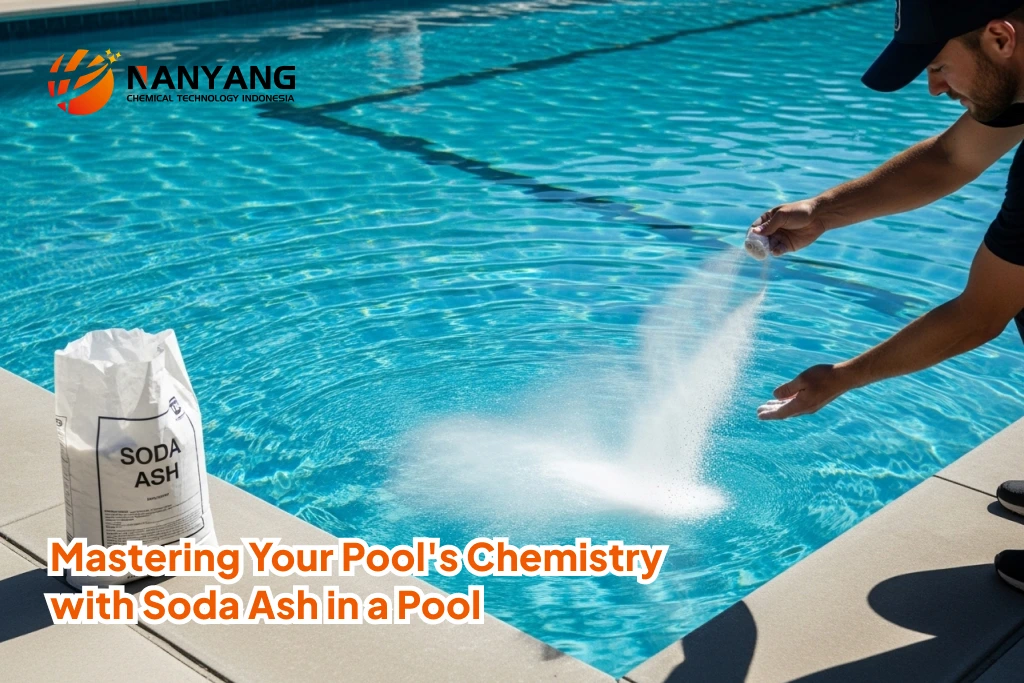
There’s nothing quite like the refreshing feeling of a perfect summer day spent in your backyard pool. But that picture-perfect moment can quickly turn “sour” when the water starts to feel off. If you’ve recently noticed your eyes burning after a swim, your skin feeling dry and itchy, or your swimsuit fading faster than usual, your pool is likely suffering from a common ailment: low pH. This isn’t just a minor inconvenience; acidic pool water can silently wreak havoc on your entire system, from corroding expensive metal components like your heater and pump to rendering your chlorine sanitization virtually useless. A properly balanced pool should have a pH level between 7.4 and 7.6, a narrow sweet spot that ensures swimmer comfort, equipment longevity, and chlorine effectiveness. When the pH drops below this range, the water’s chemical balance is thrown completely out of whack, creating an environment that is both uncomfortable and potentially damaging.
Fortunately, addressing this issue is straightforward with the right chemical. The most reliable and widely used solution for raising a pool’s pH is to add soda ash in a pool. Soda ash, also known by its chemical name sodium carbonate (Na2CO3), is a powerful base that works by neutralizing the acid in your pool water, gently raising the pH back into the ideal range. Unlike other chemicals that can cause cloudiness or leave unwanted residue, high-purity soda ash provides a clean, effective solution. This is where Nanyang Chemical comes in. For years, we have been a trusted partner for pool owners, providing a premium, specifically formulated soda ash product designed to take the guesswork out of pool maintenance. Our commitment to quality means our soda ash is free from the impurities that can often plague lower-grade alternatives, ensuring your water remains sparkling clear and inviting.
In this comprehensive guide, we’ll walk you through everything you need to know about using soda ash in a pool. We’ll cover the vital “why” behind this crucial chemical adjustment, provide a simple step-by-step guide for safely adding it, and answer all the common questions you might have. You’ll learn how to accurately determine the right amount for your pool, the best application method to avoid a milky mess, and what to do after you’ve added the product. Our goal is to empower you with the knowledge to easily achieve and maintain a perfectly balanced pool, so you can get back to enjoying that refreshing dip without any of the “sour” side effects. Get ready to transform your pool with the confidence that comes from using a top-quality product from a trusted name in pool care.
Table of Contents
What Is Soda Ash and Why Is It Essential for Your Pool?
Understanding the chemical compounds that keep your pool water clean and comfortable is the first step toward becoming a truly confident pool owner. While many people are familiar with chlorine, the unsung hero of proper pool chemistry is often soda ash. Known scientifically as sodium carbonate (Na2CO3), soda ash is a white, odorless, alkaline powder that plays an absolutely critical role in maintaining a healthy and balanced swimming environment. It’s a fundamental chemical used in a wide array of industries, from glass manufacturing and detergent production to food processing, but its function within the world of pool care is singularly focused and profoundly important: to raise pH.
To truly appreciate the value of adding soda ash in a pool, you first need to grasp the concept of pH. Measured on a scale from 0 to 14, pH indicates how acidic or alkaline (basic) your water is. A pH of 7 is neutral, anything below is acidic, and anything above is alkaline. For a swimming pool, the ideal range is a very specific and narrow window between 7.4 and 7.6. This is no accident—this range is scientifically chosen to be in perfect harmony with the human body’s pH, which is approximately 7.4. When your pool water mirrors this level, it minimizes discomfort, irritation, and the potential for any adverse reactions during your swim.
The problem arises when your pool’s pH drops below this ideal range, making the water acidic. This can happen for a number of reasons, including rainfall, heavy bather load, or the addition of certain types of chlorine. An acidic pool is far more than just “a little sour”; it becomes a damaging and unpleasant environment. The dangers of low pH are not just theoretical—they are tangible, costly, and can significantly shorten the lifespan of your pool and its equipment.
Firstly, consider the physical structure of your pool. Low pH water is inherently corrosive. It will aggressively seek out and dissolve the calcium in plaster and grout, leading to etching and roughness on pool surfaces. It also attacks metal, which is a major concern for key components like your heater’s heat exchanger, pump seals, and even the screws and railings on your ladder. Over time, this corrosion can cause irreversible damage, leading to expensive repairs or a complete replacement of equipment. In the worst-case scenarios, it can even cause copper from your heat exchanger to leach into the water, staining your plaster with unsightly blue-green splotches. This makes the deliberate act of adding soda ash in a pool not just a maintenance task, but an essential form of preventative care.
Secondly, let’s talk about the swimmer experience. Acidic water is a prime culprit for the stinging, bloodshot eyes and dry, itchy skin that swimmers often mistakenly attribute to “too much chlorine.” The low pH essentially strips your body of its natural oils, leaving your skin feeling tight and uncomfortable. It can also dry out your hair and cause swimwear to fade more quickly. By using soda ash in a pool to raise the pH, you are creating a water environment that is gentle and soothing to the skin and eyes, making every swim a more enjoyable experience.
Finally, and perhaps most importantly, low pH drastically reduces the effectiveness of your chlorine. Chlorine, in its most potent form, is hypochlorous acid (HOCl). However, its ability to sanitize is directly tied to the pH of the water. In acidic water (below 7.0), chlorine exists almost entirely as HOCl, which is highly effective but also unstable and gets used up very quickly. As the pH rises into the ideal range of 7.4 to 7.6, a perfect equilibrium is achieved, where the chlorine exists as both HOCl and its more stable counterpart, hypochlorite ion (OCl−). This balance ensures that your chlorine remains active and available to fight off bacteria and algae for a longer period of time, allowing you to use less sanitizer overall and get more out of your pool chemicals.
This is precisely where the quality of your soda ash matters. While many brands are available, not all soda ash is created equal. Nanyang Chemical understands the unique demands of pool care, which is why our product is manufactured to a high-purity standard, specifically designed for pool owners. Unlike industrial-grade soda ash, which can contain impurities that lead to cloudy water or sediment, our product dissolves quickly and cleanly, ensuring a flawless result. This commitment to quality means that when you choose Nanyang Chemical’s soda ash, you are making a smart investment in the clarity, health, and longevity of your pool. Understanding the vital role of this simple chemical is the first step; trusting a quality product to do the job right is the next.
Now that you’ve gained a foundational understanding of what soda ash is and why it’s a non-negotiable part of your pool maintenance routine, let’s move on to the practical application. In the next section, we’ll provide you with a simple, step-by-step guide on how to safely and effectively add our soda ash to your pool for a perfectly balanced swim.
The Hidden Dangers of Low pH (Acidic) Pool Water
While a cloudy pool or a noticeable green tint might grab your immediate attention, the most insidious threat to your swimming sanctuary often lurks unseen. A low pH level in your pool water is a silent, corrosive, and costly danger that can erode your investment and detract from your enjoyment. It’s a hidden time bomb that, if left unaddressed, will lead to a cascade of problems ranging from simple discomfort to catastrophic equipment failure. Many pool owners mistakenly focus all their efforts on maintaining a perfect chlorine residual, not realizing that chlorine’s effectiveness, and indeed the overall health of the entire pool system, is completely dependent on a stable pH level. Understanding these hidden dangers is the first and most crucial step toward proactive pool care, and it underscores precisely why adding soda ash in a pool is a non-negotiable part of your routine.
The first and most direct victim of acidic water is your pool’s physical infrastructure. A low pH creates a highly aggressive environment that attacks nearly every component of your pool. Think about the heart of your heating system: the heat exchanger, often made of copper or other metals. The acidic water will relentlessly dissolve these metals over time in a process known as corrosion. This isn’t just a hypothetical problem; it leads to pitting and pinhole leaks, causing expensive and inconvenient failures. Similarly, metal ladders, diving board bases, and even the stainless steel screws holding your skimmer in place can begin to rust and deteriorate. The physical damage extends far beyond the equipment. For pools with plaster or cementitious finishes, low pH water actively leaches calcium out of the surface, leaving it rough, pitted, and uncomfortable to the touch. This process, known as etching, compromises the aesthetic appeal of your pool and can lead to costly resurfacing projects down the line. Even vinyl-lined pools are at risk, as acidic water can gradually degrade the liner’s protective coating and plasticizers, making it brittle and shortening its lifespan.
Beyond the physical decay, acidic water has an immediate and unpleasant impact on the one thing that matters most: the swimmers. The burning, stinging sensation in your eyes after a swim is not typically caused by too much chlorine, but rather by water that is too acidic. Your tears have a natural pH of around 7.4. When you swim in water with a much lower pH, the acidic pool water disrupts the delicate balance of your tear film, causing the cells in your eyes to swell and leading to that unmistakable stinging sensation. Similarly, low pH water strips your skin of its natural protective oils, leaving it feeling dry, itchy, and sensitive. This can be especially problematic for children or individuals with pre-existing skin conditions. Furthermore, acidic water can make hair brittle, dull, and can even strip the color from chemically treated hair, making a refreshing dip feel more like a trip to a chemical bath. By using a high-quality product like Nanyang Chemical’s soda ash, you are effectively a lifeguard for your pool, protecting not only its equipment but also the health and comfort of everyone who enjoys it.
Perhaps the most significant and often misunderstood danger of low pH is its devastating effect on your sanitization system. Chlorine is the undisputed champion of pool sanitation, but its power is inextricably linked to pH. When the pH level is too low, the chlorine in your water exists predominantly as hypochlorous acid (HOCl). While HOCl is an incredibly potent killer of bacteria and algae, it is also highly volatile and is consumed very rapidly. This means your chlorine is working overtime but for a much shorter duration, requiring you to constantly add more to maintain an effective residual. You are essentially pouring money and valuable sanitizer down the drain. This rapid consumption can also lead to a swift and sudden drop in sanitizing power, creating a dangerous window of opportunity for algae to bloom or for pathogens to multiply. In contrast, at a balanced pH of 7.4-7.6, the chlorine exists in a harmonious balance of HOCl and its more stable counterpart, the hypochlorite ion (OCl−). This equilibrium provides both immediate sanitizing power and lasting protection, ensuring your pool stays clean and clear without constant chemical adjustments.
In summary, the dangers of low pH water are far more extensive than a quick test strip might reveal. It is a fundamental imbalance that creates a domino effect of problems, from the corrosion of your pool’s most expensive parts and the discomfort of its swimmers to the complete inefficiency of your primary sanitizer. The single most effective way to combat all these issues at once is to restore the water’s pH balance. Adding soda ash in a pool is not just a chemical task; it is an act of preservation—a way to safeguard your investment, ensure the comfort of your family, and maintain a pool that is truly healthy and sparkling clean. By choosing Nanyang Chemical’s pure and reliable soda ash, you’re not just addressing the problem—you’re proactively preventing a host of future troubles, all while creating a perfectly balanced environment for endless summer fun.
Your Step-by-Step Guide to a Perfect Pool with Nanyang Chemical
Now that you understand the profound importance of a balanced pH and the hidden dangers of acidic pool water, you’re ready for the most critical step: taking action. The process of adding soda ash in a pool might seem intimidating at first, but with a little knowledge and the right product, it’s a straightforward and rewarding task. This guide will walk you through each step of the process, ensuring you can confidently restore your pool’s chemical balance and get back to enjoying a safe, comfortable, and crystal-clear swimming experience. We’ve designed this guide with our Nanyang Chemical soda ash in mind, but the principles apply universally, providing you with a foundation for success.
Step 1: Test Your Water, Don’t Guess
Before you add any chemicals, you must know what you’re starting with. Using a reliable and recently calibrated test kit is non-negotiable. You can choose from test strips, a liquid test kit, or a digital meter—the key is accuracy. Test your water for both pH and total alkalinity (TA). While our focus is on pH, total alkalinity is a closely related measure that acts as a pH buffer. If your TA is low, the pH will be unstable and difficult to raise. Note down your readings; a pH below 7.4 is your cue to act, and the specific number will help you determine the correct dosage.
Step 2: Calculate the Correct Dosage
This is where a little patience goes a long way. The exact amount of soda ash in a pool depends on two main factors: your pool’s volume (in gallons) and its current pH level. As a general rule of thumb, you can typically raise the pH of a 10,000-gallon pool by approximately 0.2 units by adding about six ounces of soda ash. It is always better to add too little than too much. Remember, you can always add a second dose later, but it is far more difficult and time-consuming to lower the pH if you overshoot your target. For best results, always consult the dosage recommendations on the Nanyang Chemical product label, which are designed to provide precise guidance based on our product’s high-purity formulation.
Step 3: The Golden Rule: Dilute, Don’t Dump
This is the most crucial step and the one where many pool owners make a costly mistake. Never dump the powdered soda ash directly into your pool. Doing so can cause significant problems, including creating a concentrated cloud of undissolved chemical that settles on the bottom, leading to scaling on your pool’s surface or even damaging the liner over time. It can also cause temporary, milky cloudiness that can take hours or even days to clear up. The correct method is to pre-dissolve the soda ash. Take a clean 5-gallon bucket and fill it with pool water. While stirring, slowly pour the pre-measured amount of Nanyang Chemical soda ash into the bucket. Continue to stir until the powder is completely dissolved. This process ensures the chemical is evenly distributed and ready to work effectively once it enters the main body of water.
Step 4: The Application Process
Once your soda ash solution is ready, it’s time to add it to the pool. Before you begin, ensure your pool pump is running. The circulating water is essential for distributing the chemical evenly and efficiently. Start by walking slowly around the perimeter of the pool, pouring the solution into the water. Avoid pouring it all in one spot or near the skimmer, as this could overwhelm your filtration system. By distributing the solution evenly, you give the soda ash the best possible chance to raise the pH across the entire body of water. For large pools, it is recommended to pour the solution in a few different sections to ensure complete coverage.
Step 5: Wait, Circulate, and Re-test
The process isn’t over as soon as the bucket is empty. It’s vital to give the chemical time to circulate and do its job. Allow your pool pump to run for a minimum of 4-6 hours after adding the soda ash solution. This circulation period is critical for the chemical to mix thoroughly with the rest of the pool water and initiate the pH-balancing reaction. After the waiting period has passed, re-test your water. The pH should have risen. If it is still below the ideal range of 7.4-7.6, you can repeat the process with a smaller, second dose. Patience is a virtue in pool chemistry—making small, incremental adjustments is the key to achieving and maintaining a perfect balance.
Special Considerations & Safety First
It’s worth noting that adding soda ash in a pool can temporarily cause a slight increase in the water’s turbidity or cloudiness. This is normal and a sign that the chemical is working. However, Nanyang Chemical’s high-purity formulation minimizes this effect, and your filtration system should clear it up within a day. As with any pool chemical, always handle our soda ash with care. Read the product label for specific safety instructions, wear gloves and eye protection, and store the product in a cool, dry, and secure location away from children and pets.
By following these simple steps and trusting the quality of Nanyang Chemical’s soda ash, you’ll not only solve your low pH problem but also gain the confidence that comes with knowing you are maintaining your pool like a professional. Now that you’re armed with the “how-to,” let’s address some of the most common questions pool owners have about this vital chemical.
Conclusion
Maintaining a healthy and enjoyable swimming pool is a science, but as you’ve learned, it’s a science that is well within your grasp. The journey from “sour” and acidic water to a perfectly balanced oasis is not a complex one. It all starts with a foundational understanding of pH and a commitment to addressing its imbalances. By recognizing the hidden dangers—from the corrosive attack on your pool’s valuable equipment to the irritating effects on your skin and eyes, and the outright waste of your expensive chlorine—you’ve empowered yourself to become a truly proactive pool owner.
The solution to all these problems is as simple as it is effective: adding soda ash in a pool. This single chemical, when used correctly, acts as a powerful shield for your entire pool system, neutralizing acidity and restoring the water to its ideal, comfortable, and efficient state. But the right results demand the right product. By choosing a high-purity, pool-specific solution like Nanyang Chemical’s soda ash, you ensure that you are not introducing any unwanted variables into your water. You are simply adding the final, essential touch for a flawless chemical balance. Our commitment to quality means your commitment to crystal-clear water and a perfect swim. So, go ahead. Test your water, follow the steps, and dive into the peace of mind that comes from knowing your pool is not only clean and sparkling, but also perfectly balanced and protected. Enjoy the summer like it was meant to be enjoyed—in a pool that feels just right.